


Trauma-Informed Communications & Public Relations Agency
Strategic communications that protect dignity, build trust and move people toward meaningful action.
Yulu Public Relations is a North American public relations agency with specialized expertise in trauma-informed communications. We partner with nonprofits, advocacy organizations, public agencies, coalitions, healthcare organizations, educational institutions, research teams and purpose-driven brands communicating about trauma, crisis, stigma, violence, inequity and systemic harm.
Through strategic storytelling, public relations and impact communications, Yulu helps organizations inform the public, center lived and living experience, strengthen trust and move people toward meaningful action without creating avoidable harm.
Our work spans mental health and substance use, gender-based violence, crisis response, health inequity, justice and community impact Indigenous and community-led storytelling, public education and other sensitive issues across Canada and the United States.
Related Case Studies

Community Action Initiative

BC Schizophrenia Society


Case Study
#StandAgainstStigma Awareness CampaignBC Women’s Health Foundation

Why Trauma-Informed Communications Is Critical
Communications can create understanding, access and systemic change. They can also expose people, reinforce stigma, sensationalize harm or turn lived experience into a promotional asset. Trauma-informed communications considers both the public value of a story and the impact of the process used to tell it.
A trauma-informed approach does not avoid difficult truths or dilute urgent calls to action. It brings greater discipline to how organizations gather stories, obtain consent, prepare spokespeople, choose language and imagery, engage affected communities and respond to public scrutiny.
Yulu applies recognized trauma-informed principles to communications strategy so organizations can:
- Protect dignity, agency and meaningful choice throughout the storytelling process.
- Center people with lived and living experience without defining them by trauma or diagnosis.
- Reduce stigma, blame, fear-based framing and unnecessary sensationalism.
- Build trust between institutions, services, communities and rightsholders.
- Equip spokespeople and partners to navigate sensitive media conversations.
- Translate awareness into safer behavior, help-seeking, advocacy and systems change.
Our Services
- Trauma-informed communications strategy and risk assessment
- Narrative strategy, messaging frameworks and language guidance
- Lived and living experience storytelling protocols
- Trauma-informed media relations and press-office support
- Spokesperson preparation and media training for experts and lived-experience advocates
- Anti-stigma, public education and behavior change campaigns
- Community, stakeholder and rightsholder engagement
- Issues navigation, crisis communications and escalation planning
- Creative content, digital strategy, toolkits and partner enablement
- Impact measurement, learning and outcome-based reporting
Types of Organizations Yulu Supports
- Mental health, substance use and harm-reduction organizations
- Survivor-serving, gender-equity and violence-prevention organizations
- Public health agencies, healthcare systems and community-care programs
- Indigenous-led initiatives and organizations engaging Indigenous rightsholders
- Youth-serving organizations, schools, colleges and universities
- Research institutes, foundations, advocacy coalitions and nonprofits
- Purpose-driven employers and brands communicating about sensitive social issues
Measurable Outcomes
- Greater trust and participation among affected communities and target audiences
- Increased awareness and use of crisis-response, care and support services
- More accurate, person-centered and non-stigmatizing media coverage
- Stronger spokesperson readiness, boundaries and confidence
- Clearer consent, review and safeguarding practices across communications teams
- Community-informed language and narrative standards adopted across partner networks
- Documented shifts in awareness, behavior, advocacy, fundraising or policy relevance
Relevant Work
Canadian Mental Health Association PACT | Connecting Communities to Trauma-Informed Crisis Support
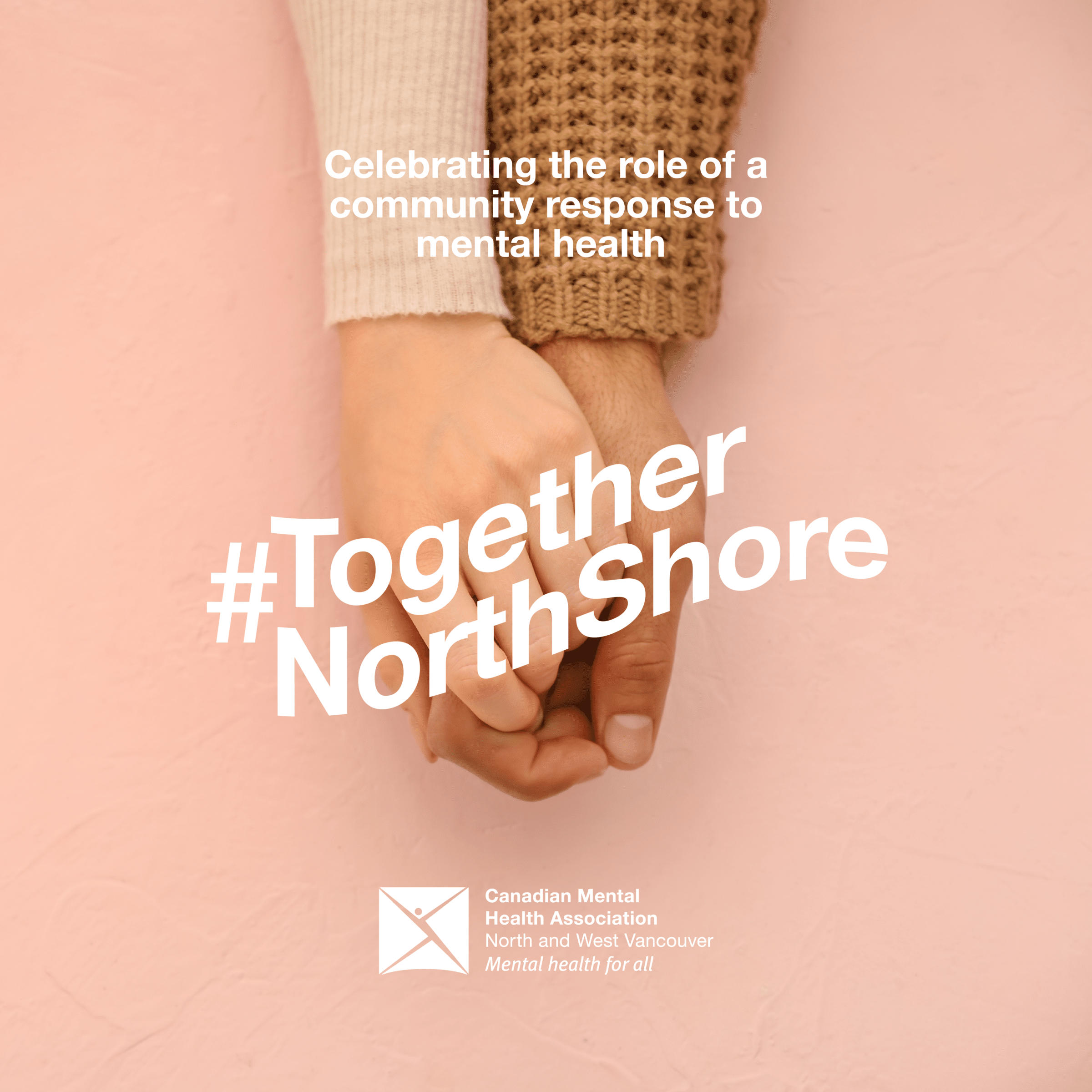
Yulu created #TogetherNorthShore to make BC’s first civilian-led, trauma-informed and decriminalized mental-health crisis-response service understandable, trusted and accessible.
Impact: Nine earned stories reached 16.3 million people; 60 influencers, community members and organizations generated 124 posts and 197,000 social reach; 13 provincial officials amplified the campaign; and calls to the PACT helpline increased significantly.
Community Action Initiative | Co-Creating Stigma-Free Communications for the Toxic Drug Crisis
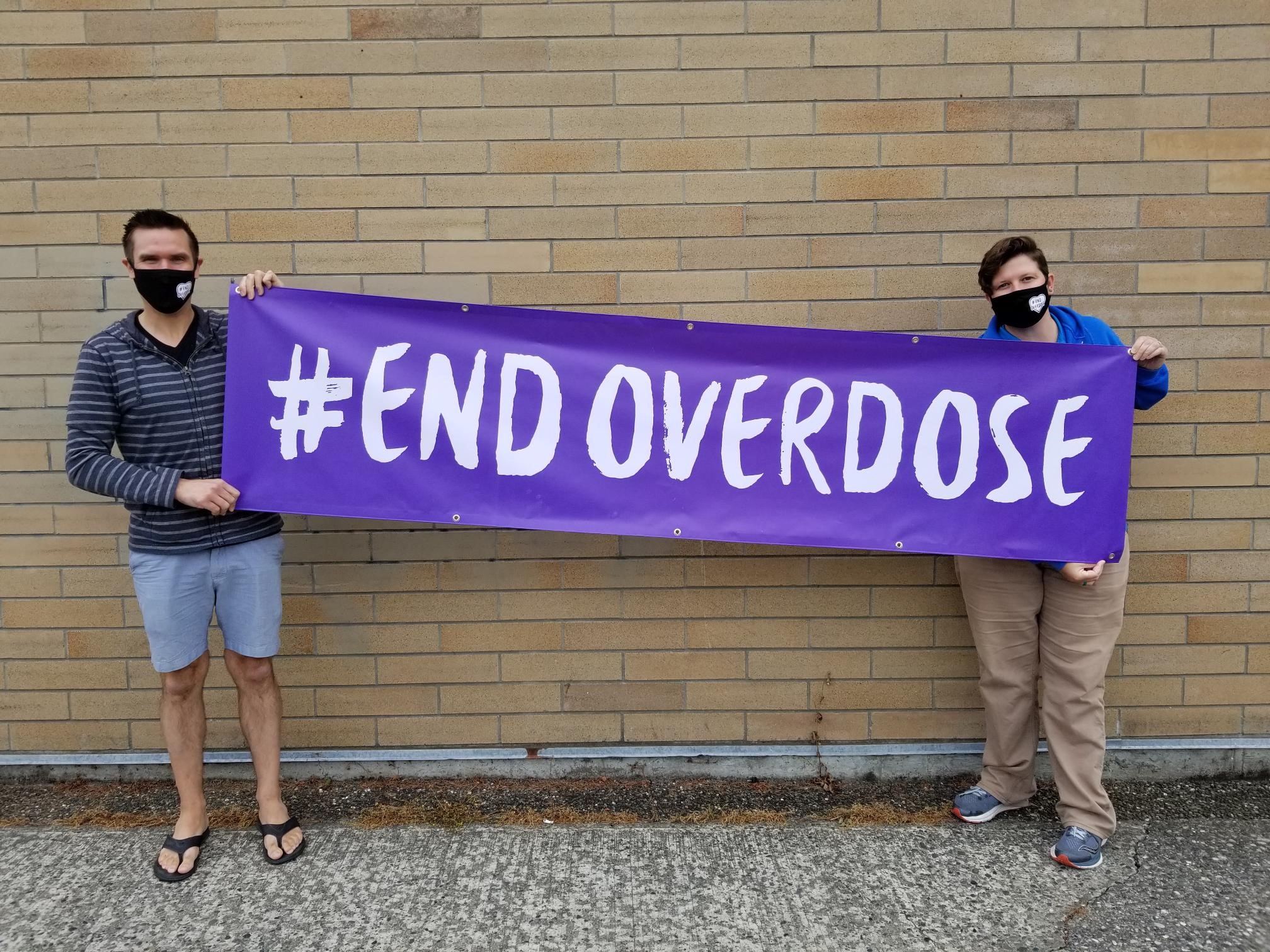
Yulu worked with regional Community Action Teams to develop communications rooted in dignity, harm reduction and lived experience. The process prioritized listening, local context and practical tools communities could use in their own voices.
Impact: Three localized Community Engagement Toolkits and one province-wide Educational Toolkit are now supporting all 38 Community Action Teams across BC.
Ending Violence BC | Turning Bystander Hesitation into Safer Action Across BC Campuses
Using behavioral insight and a trauma-informed lens, Yulu developed a scenario-led campaign that gave students practical micro-actions for responding to boundary-pushing, sexism and digital coercion without asking them to take unsafe or unrealistic risks.
Impact: A comprehensive implementation toolkit equipped 25 BC post-secondary institutions with adaptable digital, social, print and activation assets.
BC Schizophrenia Society | Shifting the Narrative on Schizophrenia Without Sacrificing Dignity
Yulu developed a person-centered, anti-stigma campaign that corrected misinformation about schizophrenia and psychosis, engaged mental-health creators and equipped partners with accessible educational content.
Impact: The campaign generated 75 earned stories reaching 4.2 million people, 1.5 million social reach, 2,600 engagements and 789 percent growth in BCSS’s media footprint during the campaign window.
Indigenous Research Circle | Building a Culturally Grounded Platform for Indigenous-Led Research
Yulu facilitated a participatory process rooted in respect, reciprocity, relationship-building and self-determination. Rightsholder interviews and an Indigenous-owned design partnership helped ensure the platform reflected Indigenous ways of knowing and community priorities.
Impact: The work created a first-of-its-kind digital space for Indigenous-led, community-based research and established a foundation for ongoing learning, connection and ethical research guidance.
Regional Focus
United States and Canada. Yulu localizes trauma-informed communications by state, province, city, community and audience, with culturally relevant adaptation, rightsholder engagement and attention to the legal, policy and media context surrounding each issue.
Fast Facts
- Service: Trauma-informed communications, storytelling and public relations
- Sectors: Nonprofit, public health, advocacy, education, research, government and purpose-driven business
- Region: United States and Canada, including national and local programs
- Audiences: People with lived and living experience, survivors, families and caregivers, clinicians, educators, policymakers, donors, employees, media and the public
- Collaboration: Community organizations, Indigenous rightsholders, survivor-serving organizations, healthcare experts, academic partners and advocacy coalitions
Frequently Asked Questions
What is trauma-informed communication?
Trauma-informed communication is an approach to research, messaging, storytelling, media relations and public engagement that recognizes how trauma can shape people’s experiences and responses. It prioritizes safety, trust, transparency, collaboration, voice, choice and cultural context.
What makes public relations trauma-informed?
Trauma-informed public relations considers not only what story will reach an audience, but also how the storytelling process may affect the people and communities involved. It applies clear consent, contributor choice, person-centered language, media preparation, appropriate boundaries and review processes.
How does Yulu protect people with lived and living experience?
Yulu builds communications processes around informed participation, clear expectations, meaningful choices and appropriate review. We consider attribution, imagery, personal detail, interview boundaries, public exposure and the ability to pause or withdraw. The exact safeguards are shaped with the client, affected communities and relevant experts.
What is trauma-informed storytelling?
Trauma-informed storytelling gathers and shares personal experience without treating trauma as content to be extracted. It preserves context and agency, avoids unnecessary detail and sensationalism, and considers the consequences that visibility may create for the person telling the story.
Does trauma-informed communications mean avoiding difficult stories?
No. Difficult issues often require direct public attention. A trauma-informed approach helps organizations communicate with accuracy and urgency while reducing avoidable harm and ensuring the people closest to the issue are treated with dignity.
Does Yulu provide trauma-informed media training?
Yes. Yulu prepares executives, experts, advocates and lived-experience spokespeople for interviews involving sensitive subjects. Training can include message development, interview boundaries, difficult questions, bridging, preparation for public exposure and escalation planning.
How is trauma-informed communications different from crisis communications?
Crisis communications focuses on fast-moving organizational risk, public scrutiny and response. Trauma-informed communications focuses on how content and process affect people and communities. High-stakes situations often require both disciplines.
What should an organization look for in a trauma-informed PR firm?
Look for evidence of community-informed strategy, strong consent and safeguarding practices, person-centered language, lived-experience engagement, media-training capability, cultural humility and outcome measurement. The firm should also be clear about the limits of its role and bring in clinical, legal, cultural or safeguarding expertise when required.
Is trauma-informed communications a clinical service?
No. Yulu provides public relations, strategic communications and impact consulting. Trauma-informed communications applies recognized principles to communications decisions. It does not replace clinical care, trauma therapy, legal advice or professional survivor support.
Does Yulu work across Canada and the United States?
Yes. Yulu is a North American public relations agency with experience supporting national and regional programs across Canada and the United States.
Trauma-Informed Communications Terms and Glossary
Trauma-informed: An approach that recognizes the prevalence and effects of trauma and prioritizes safety, trust, transparency, choice, collaboration, empowerment and cultural context.
Lived and living experience: Direct personal experience of an issue, system or condition that informs communications, program design or decision-making.
Informed consent: A clear, ongoing process through which a person understands how their contribution may be gathered, edited, shared and promoted before agreeing to participate.
Survivor-centered: An approach that prioritizes a survivor’s rights, needs, safety, agency and decisions rather than the communications goals of an institution.
Stigma-free language: Respectful, person-centered language that avoids blame, fear, stereotypes and sensationalism.
Harm reduction: Evidence-based policies and practices that reduce negative consequences and support safety, dignity and access without requiring abstinence as a precondition.
Rightsholder: A person, community or people whose inherent or legally recognized rights are directly affected by an organization’s decisions, programs or communications.
Safeguarding: Policies and practices designed to prevent and respond to harm, exploitation, abuse or unsafe participation.
Vicarious trauma: Trauma-related effects that may arise through repeated exposure to other people’s experiences, including among staff, storytellers, journalists and service providers.
H2: Related Case Studies
- Canadian Mental Health Association PACT | Raising awareness for a trauma-informed approach to mental-health crises
- Community Action Initiative | Community engagement for the unregulated toxic drug crisis
- BC Schizophrenia Society | Stand Against Stigma awareness campaign
- Indigenous Research Circle | Building a platform for Indigenous-led research
Let’s Work Together
Looking for a trauma-informed communications firm or public relations agency for a sensitive, high-stakes issue? Contact Yulu at hello@yulupr.com or +1 604-558-1656. Let’s build a strategy that protects dignity, earns trust and moves people toward meaningful action.